P13742 [NWERC 2024] Dutch Democracy
Description
The process of forming the Dutch government has taken more than half a year for three elections in a row. Perhaps we can streamline the initial stages of coalition building?
The first step after the election results is to find a group of parties (called a *coalition*) with enough seats to have a strict majority.
Your task is to count the number of candidate coalitions that satisfy specific conditions.
A coalition is considered a *candidate coalition* if it meets these two criteria:
**Strict Majority:** The total number of seats held by the coalition must be strictly more than half of the total seats across all parties.
**No Superfluous Parties:** The coalition must be minimal in the sense that removing any one party from the coalition would cause it to lose its strict majority.
:::align{center}
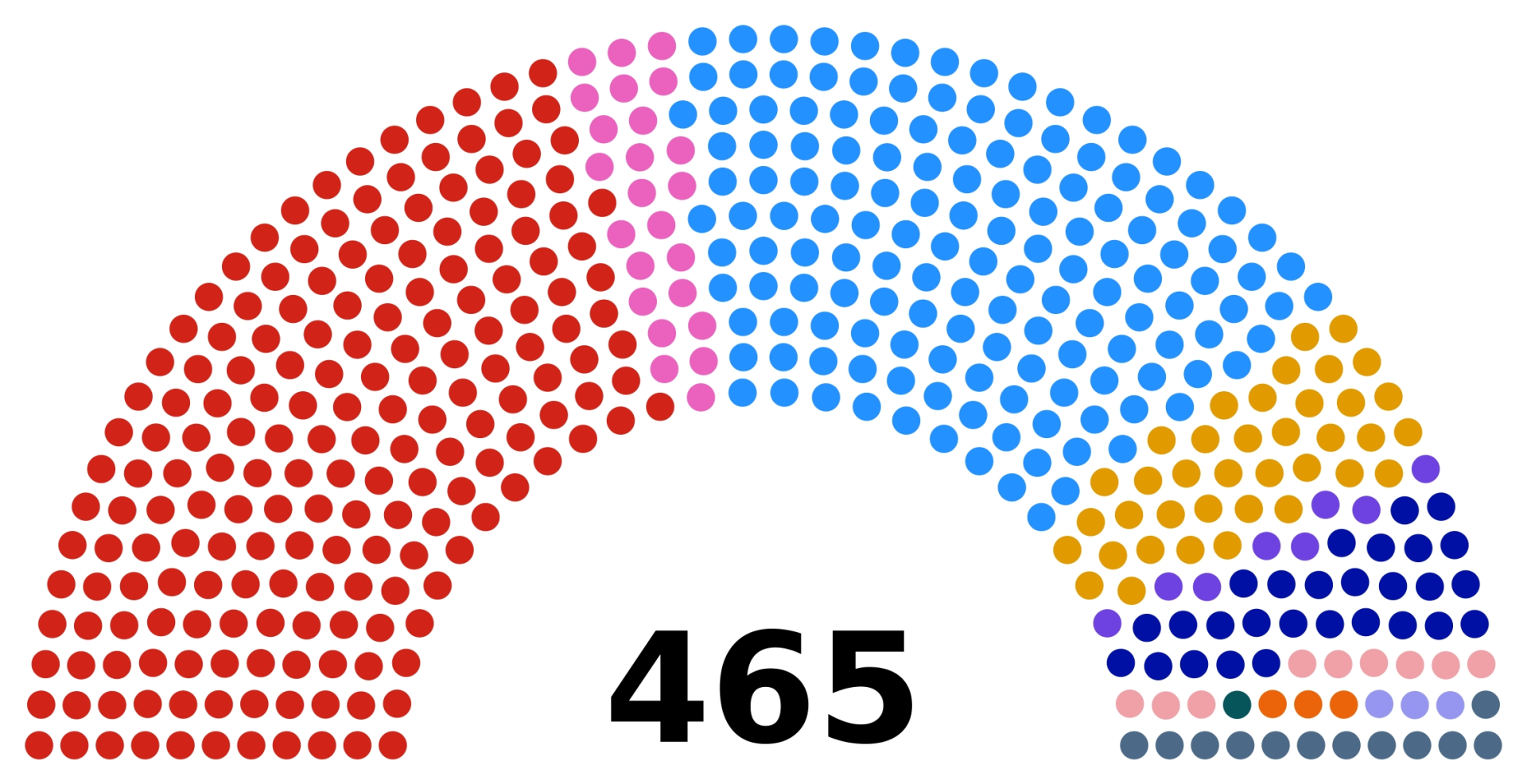
Figure D.1: Illustration of Sample Input 2.
:::
Input Format
The input consists of:
- One line with an integer $n$ ($1 \le n \le 60$), the number of parties.
- One line with $n$ integers $p$ ($1 \le p \le 10\,000$), the number of seats each party has.
Output Format
Output the total number of candidate coalitions that satisfy the criteria above.